


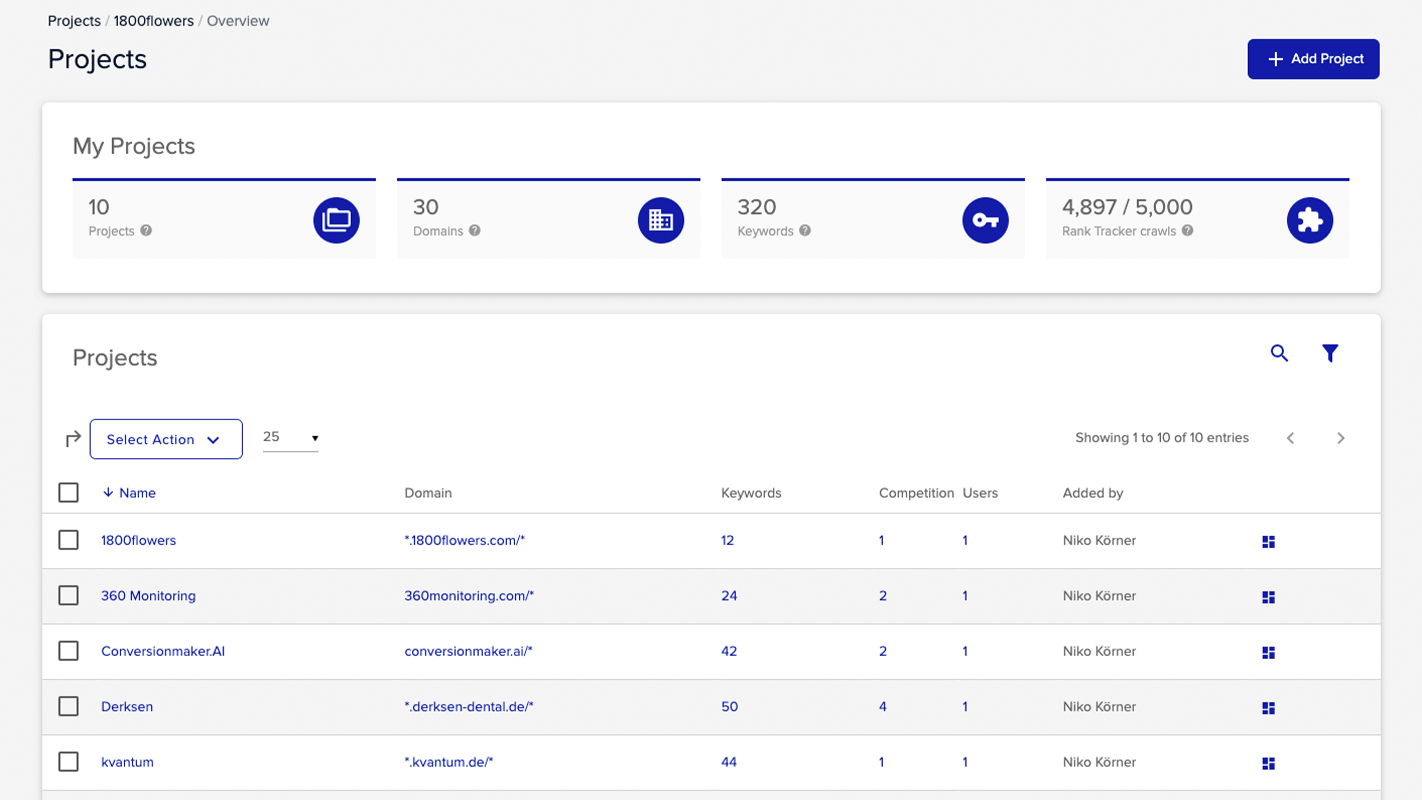
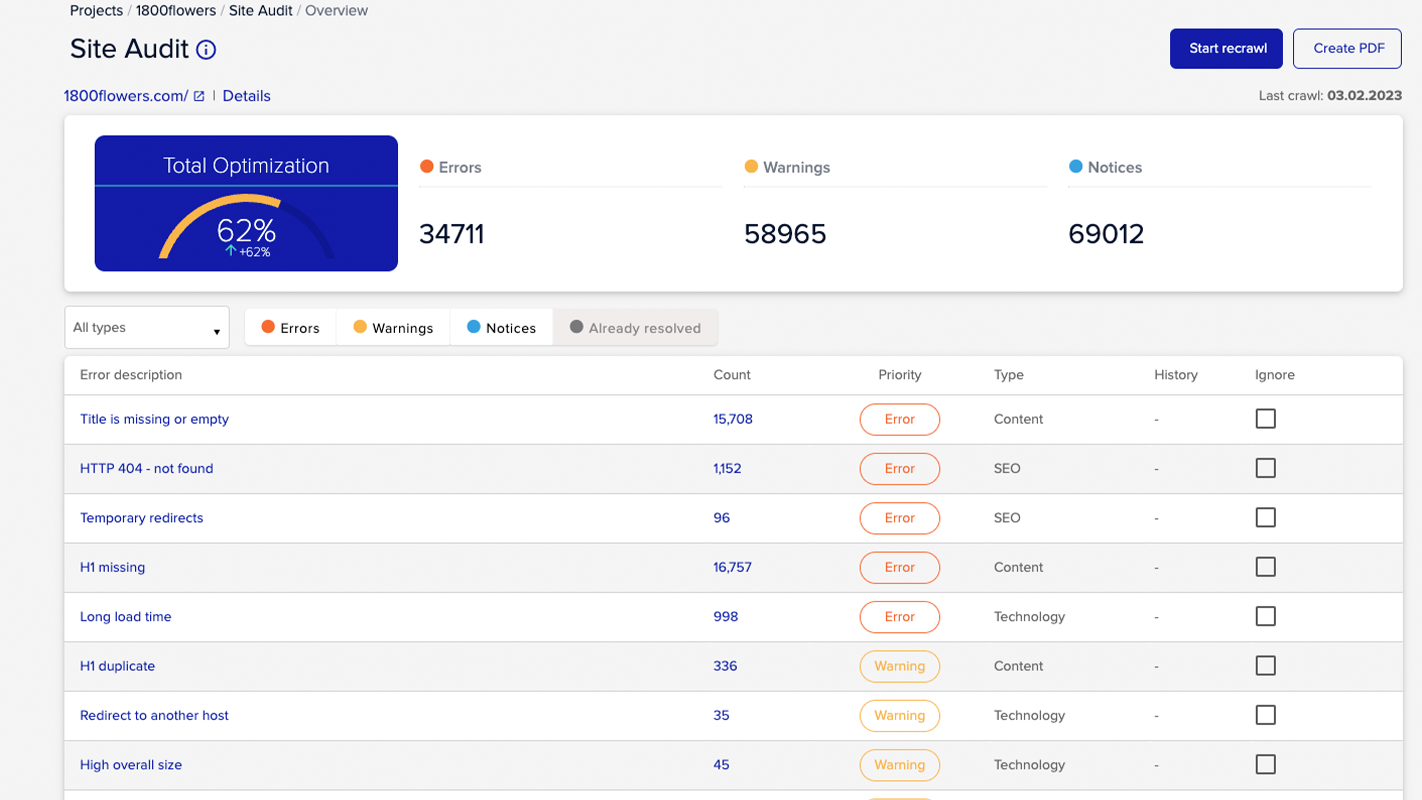
Ας πούμε ότι θες να αυξήσεις την επιχείρησή σου μέσα στον επόμενο χρόνο. Θα μπορούσες να ξεκινήσεις επενδύοντας λίγα χρήματα σε μια εταιρεία SEO, αλλά αυτό φαίνεται σαν ένα υπερβολικά απαιτητικό εγχείρημα για κάποιον που δεν διαθέτει τεχνικές γνώσεις! Ευτυχώς, υπάρχει ένας ευκολότερος τρόπος : ας φροντίσουμε ώστε οι άνθρωποι να ανακαλύπτουν τι κάνει ΤΗ ΔΙΚΗ ΣΟΥ ΕΤΑΙΡΕΙΑ μεγάλη από τις αναζητήσεις τους στο διαδίκτυο χρησιμοποιώντας το XOVI NOW.
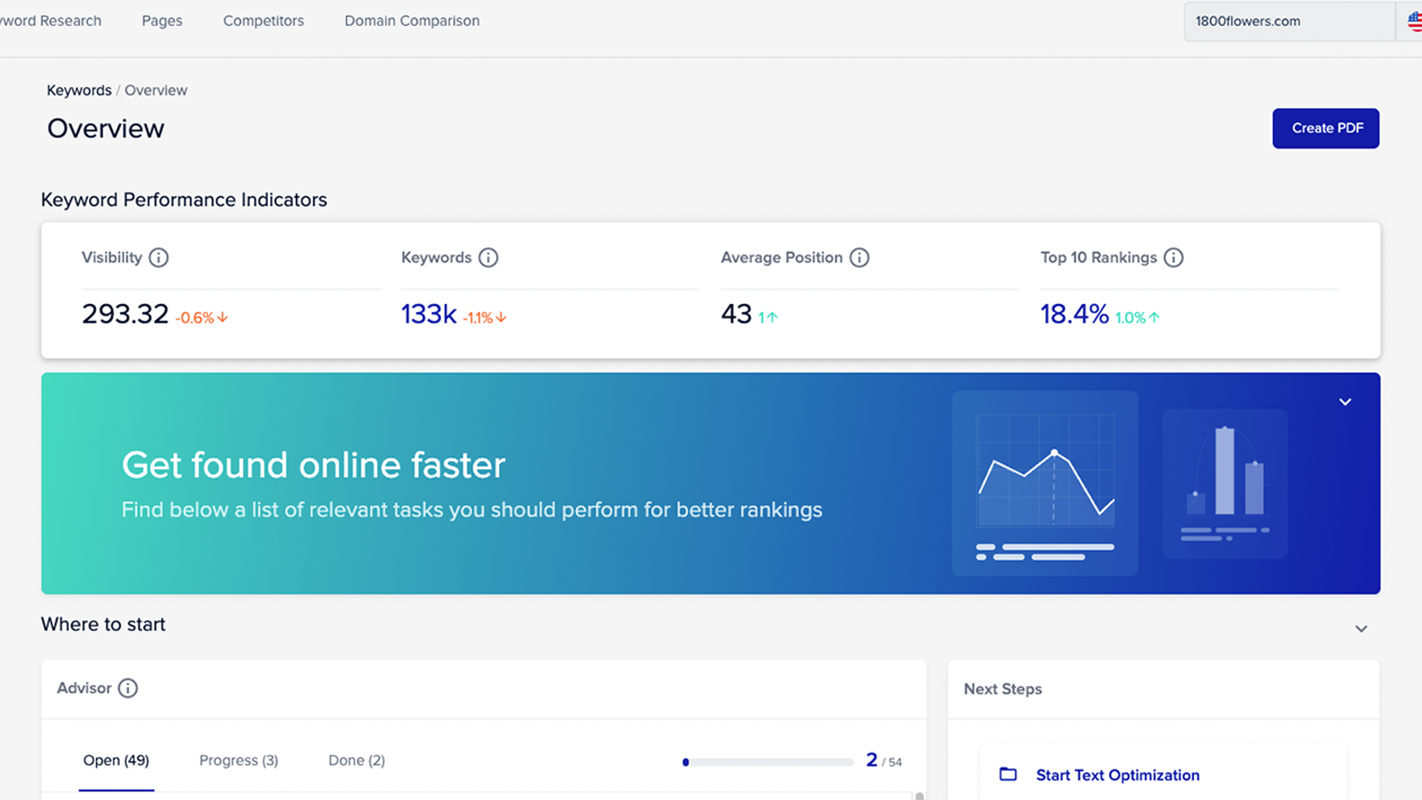
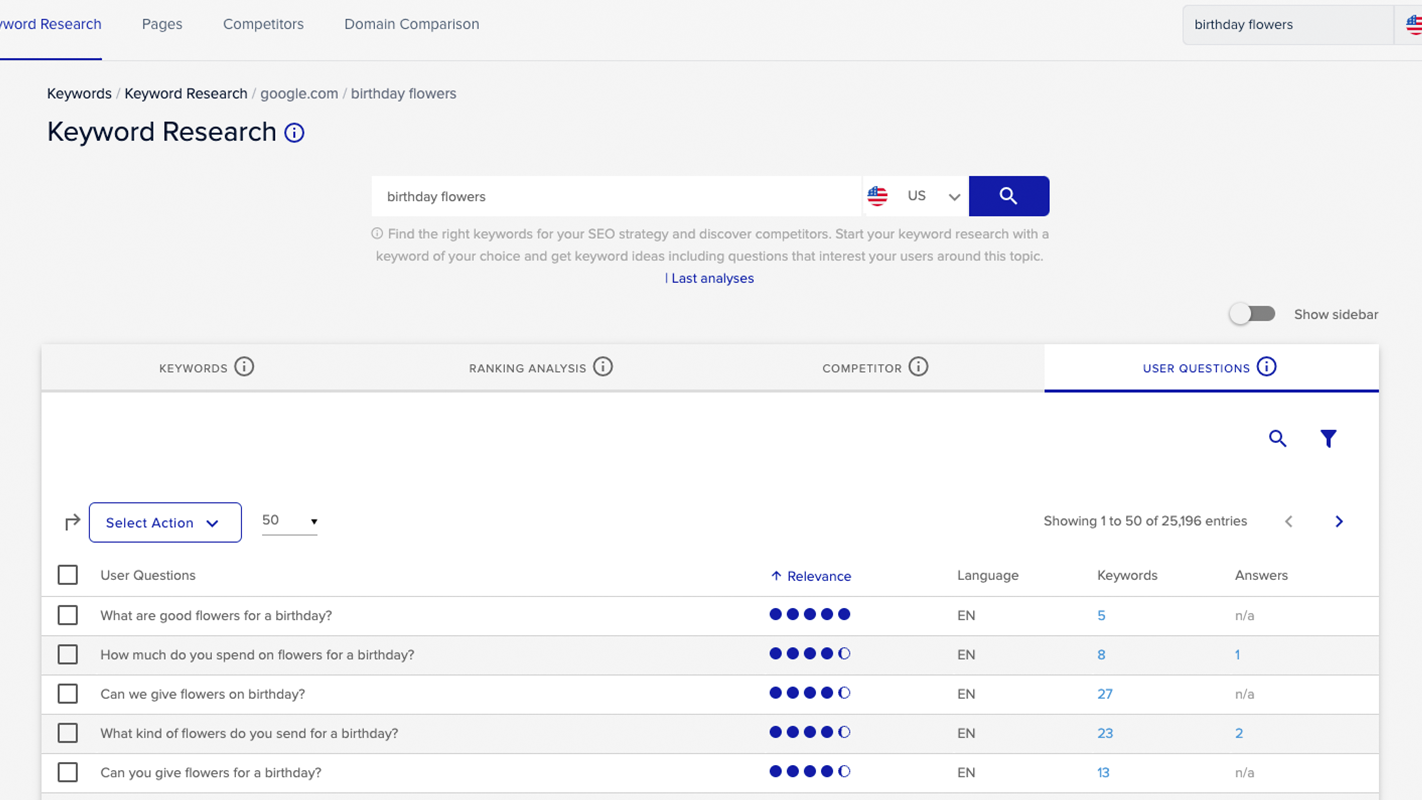
Μια βάση δεδομένων λέξεων-κλειδιών με πάνω από 100 εκατομμύρια εγγραφές για έρευνα και έμπνευση

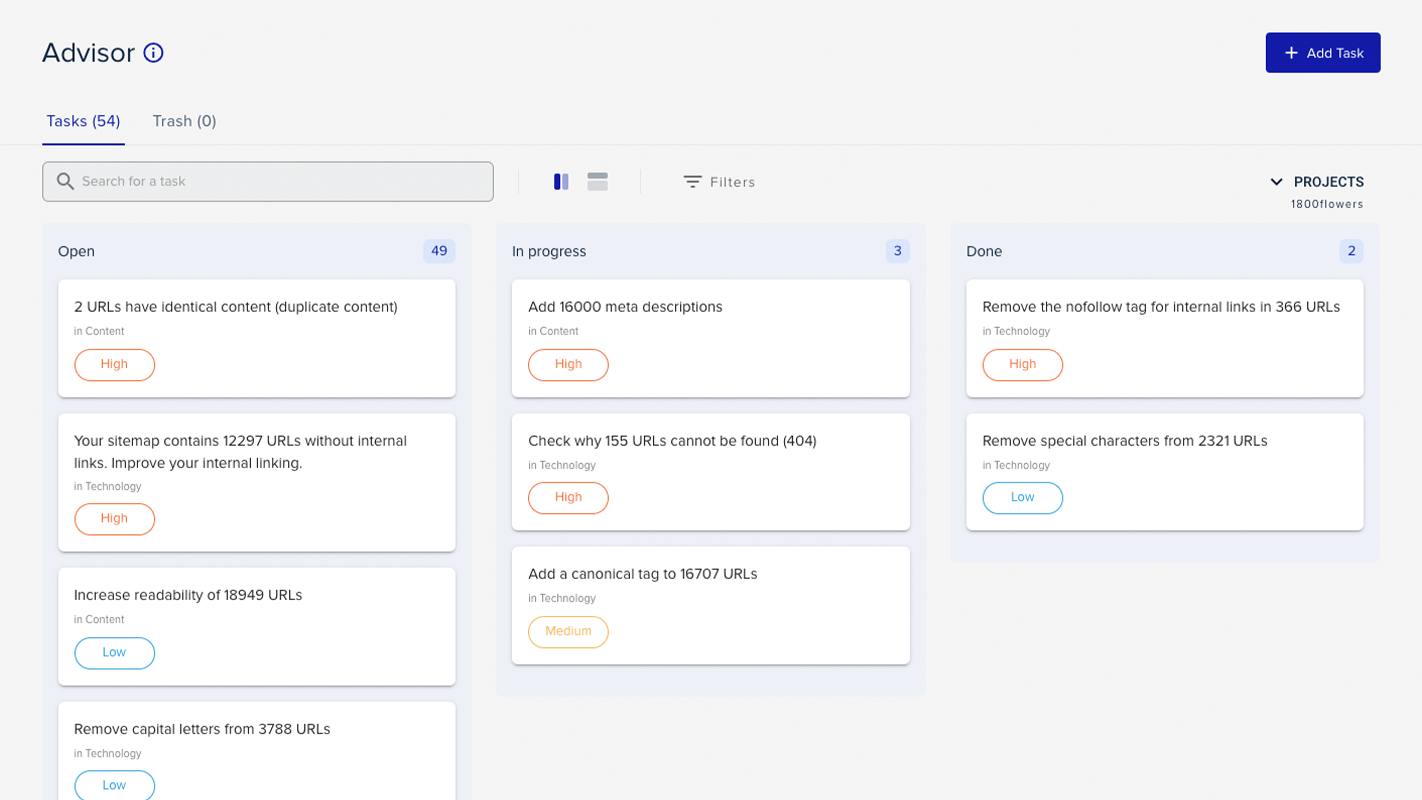
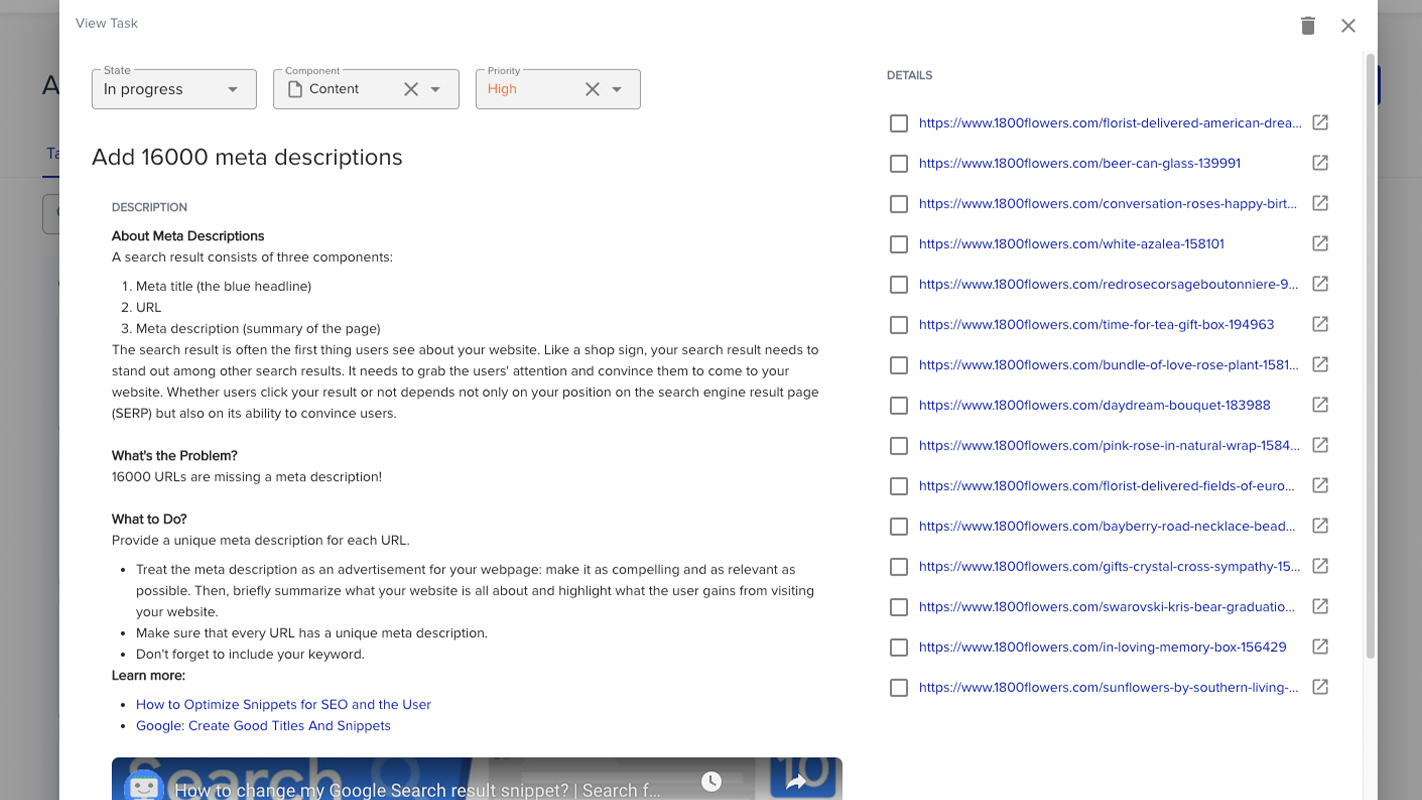
Λάβετε, διαχειριστείτε και επιλύστε εργασίες για τη βελτίωση της ιστοσελίδας σας.

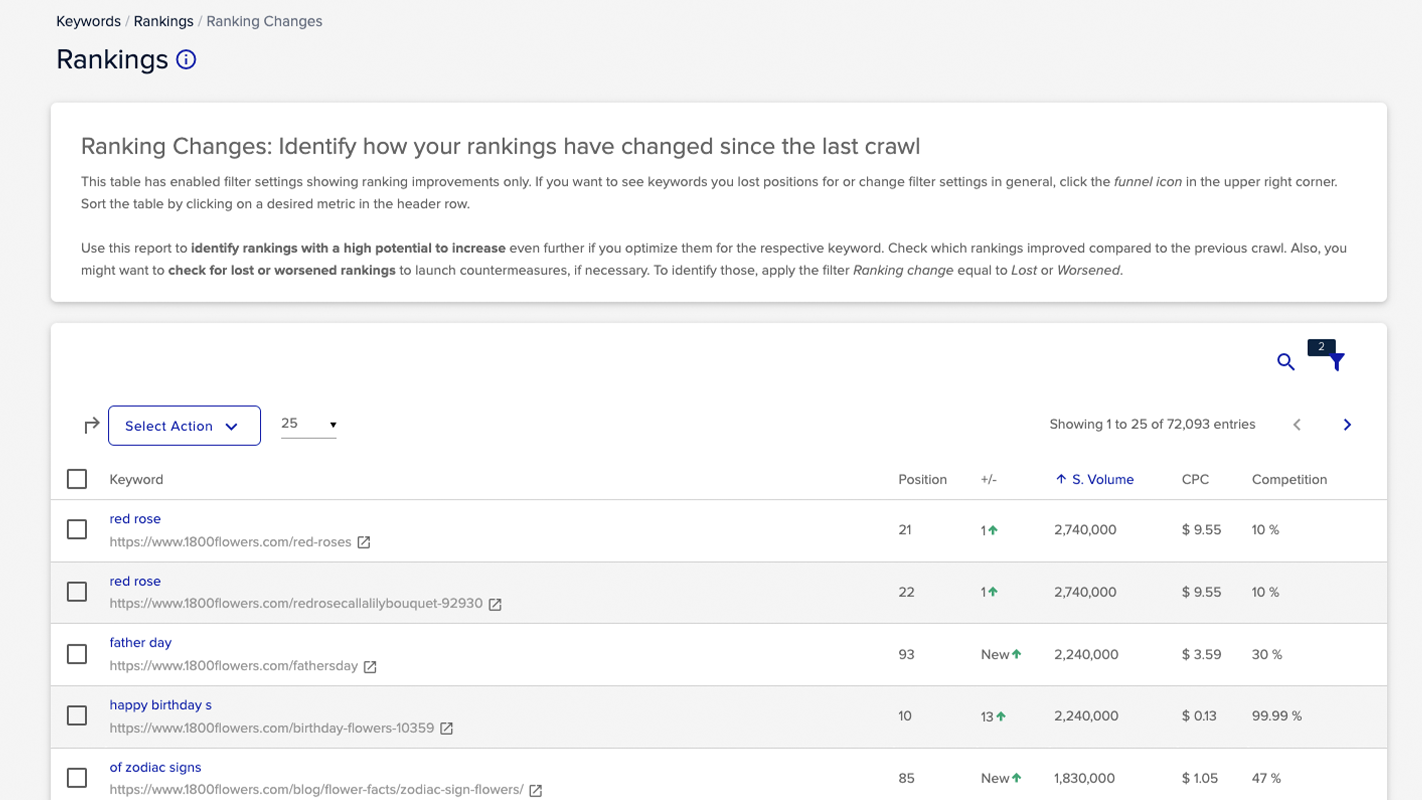
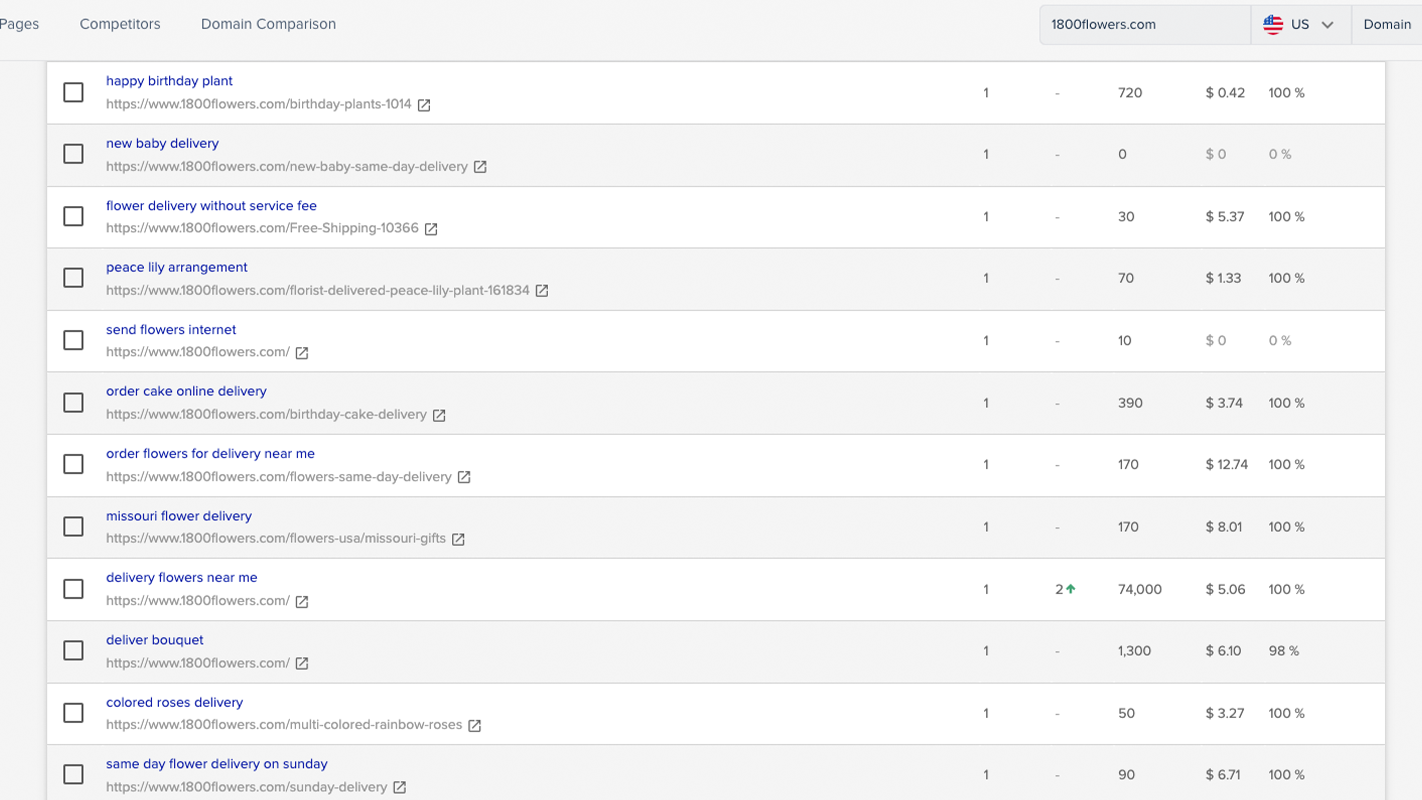
Παρακολουθήστε τις δικές σας κατατάξεις και αυτές των ανταγωνιστών σας
Ελέγξτε την τεχνική υποδομή της ιστοσελίδας σας

Βελτιώστε τις κατατάξεις σας με βελτιστοποίηση περιεχομένου βάσει δεδομένων

Αναλύστε τους ανταγωνιστές, συγκρίνετε την απόδοση και βελτιώστε το SEO σας
Το XOVI NOW σχεδιάστηκε για να παρέχει άμεση αξία για τον προσωπικό σας ιστότοπο ή τους ιστότοπους των πελατών σας, από έναν αρχικό έλεγχο ιστότοπου μέχρι προτάσεις βελτίωσης των αποτελεσμάτων σας στις μηχανές αναζήτησης.
Δεν χρειάζεται να είστε ειδικός στο SEO για να βελτιώσετε τις κατατάξεις της επιχείρησής σας στο Google. XOVI NOW θα εντοπίσει τις καλύτερες λέξεις-κλειδιά για την επιχείρησή σας, ενώ ταυτόχρονα θα παρακολουθεί την απόδοση των ανταγωνιστών σας.
Το SEO είναι συντομογραφία της Βελτιστοποίησης Μηχανών Αναζήτησης. Αποτελεί μια ουσιώδη διαδικτυακή στρατηγική μάρκετινγκ αφιερωμένη στη δρομολόγηση δυνητικών πελατών προς τον ιστότοπό σας. Ο στόχος είναι να βελτιστοποιηθεί ένας ιστότοπος ώστε να κερδίσει κορυφαίες θέσεις για επιλεγμένες λέξεις-κλειδιά στα αποτελέσματα των μηχανών αναζήτησης. Ο στόχος αυτός επιτυγχάνεται εφαρμόζοντας στρατηγικά μέτρα που βελτιώνουν τη τεχνική ρύθμιση και το περιεχόμενο του ιστότοπου καθώς και λαμβάνοντας συνδέσμους από άλλους τομείς.
Το SEO διαιρείται σε τρεις γενικές κατηγορίες:
Οι ειδικοί SEO εφαρμόζουν μέτρα για να καλύψουν τους παράγοντες κατάταξης της μηχανής αναζήτησης για κάθε κατηγορία. Οι μηχανές αναζήτησης χρησιμοποιούν τους παράγοντες κατάταξης για να καθορίσουν τη θέση στην οποία κατατάσσει έναν ιστότοπο στα αποτελέσματα αναζήτησης.
Every day, millions of people use search engines to find information or services from all aspects of life: Recipes, guides, products, flights, navigation, tickets, entertainment, and more. Most people navigate the web using search engines to find answers to their questions and solutions to their challenges.
A study shows that 68% of the web's traffic comes from search engines. 53% of this traffic has its origins in organic search—search results that are not ads (paid search) and can be improved through SEO.
In other words, organic search (SEO) and paid search (SEA, ads in search results) make up the lion's share of traffic on the web.
Even where we go offline is significantly influenced by search engines: We use Google and Apple Maps and local search results to find places and nearby services like hairdressers, supermarkets, restaurants, and doctors. We choose our destination based on online reviews. And we instruct search engine-based services to guide us there, be it by car, public transportation, or on foot.
Now, imagine if your business, products, and services are not listed in search results. Imagine people can't find you online to buy your products or find their way to your brick-and-mortar business. Instead, they will most likely choose your competition.
With the help of SEO, users can find your business, products, and services online—and buy them. As mentioned, that means that people can find you online and much easier offline, too.
SEO maximizes your chances to be listed in top positions for keywords crucial to your business. The better your position, the more people will find their way to your website—preferably on the first page (or top ten) of search results.
Why Page One?
Good question. Studies have shown that 31.7% of users click on the first organic search result (position one); a whopping 75.1% of all clicks go to the top three search results. After that, the number of clicks shrinks rapidly with every following position.
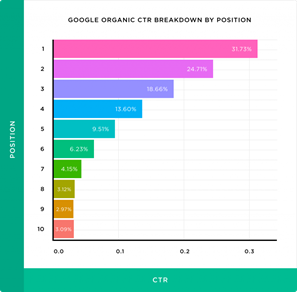
This behavior shows that users rarely look at page two or lower results, let alone click on any of them.
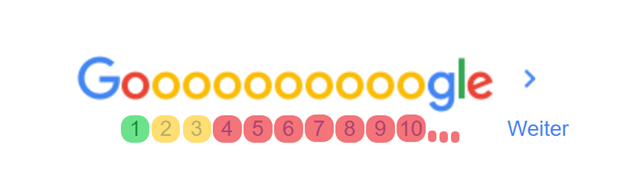
That's why businesses need to be present on the first page of search results, at least for relevant keywords.
In short: It's crucial for freelancers and business owners to
Keyword is a technical term for search queries (words, phrases, sentences, and questions). With their help, users find content that answers their questions and provides solutions. Put simply, a keyword is the link between users and your website. Search engines compare keywords with websites, looking for content with the highest relevance.
A big part of SEO lies in identifying keywords that have the potential to drive relevant traffic to your website—in other words, bringing in prospective customers. To do that, you need to identify search terms (or keywords) people use when searching for offers like yours. This process is called keyword research. Ideally, keyword research provides you with a list of keywords covering search queries across the entire customer journey.
So we know that relevance is a crucial factor for a top position in search results. To create relevant content, you want to deal with the topics and questions around a keyword on an individual subpage or URL. Then, make sure your keyword appears in crucial spots on your page.
Let's say you are in the ice cream business. One of your keywords is s'mores ice cream sandwich. Now you focus on everything that has to do with a s'mores ice cream sandwich.
What you want to do is create a recipe page for a s'mores ice cream sandwich where users find an easy-to-follow recipe, pictures or videos, and answers to questions they might have. S'mores ice cream sandwich is your focus keyword that should appear in your page's URL, title, headlines, and more.
Providing a dedicated and keyword-optimized page makes it easy for search engines—and users, too—to determine what your page is all about. That way, they can list it in good positions in related search results.
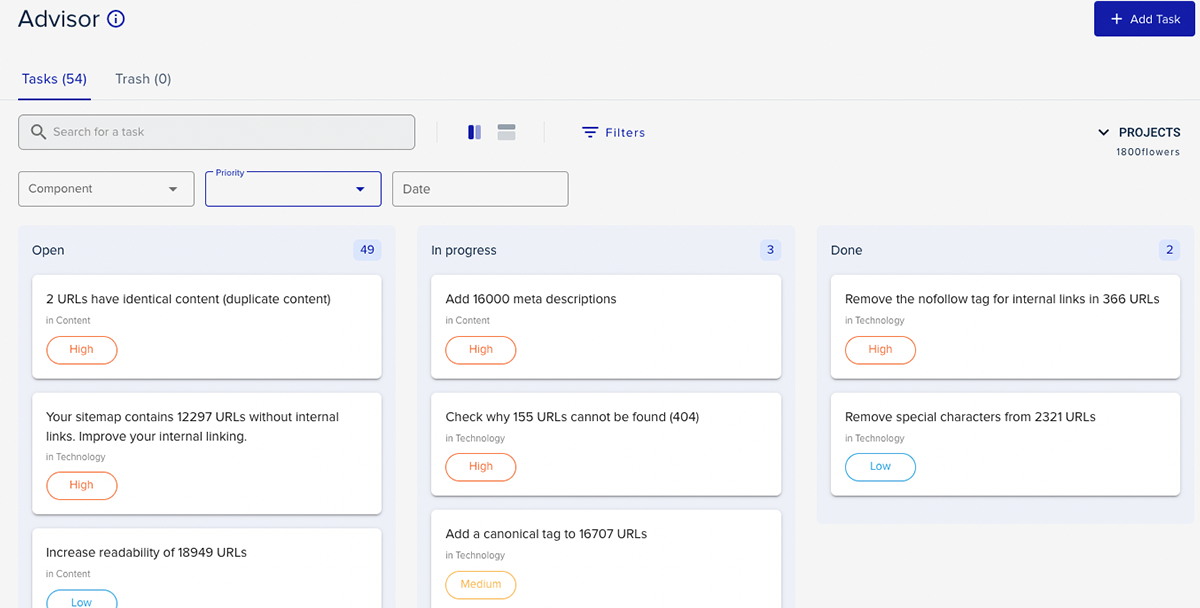
First, check out the advisor's board by clicking Advisor in the top navigation bar. It is a Kanban board helping you organize your tasks by status. Your tasks are color coded by importance:
You can drag and drop as you complete tasks, assign tasks to other users (depending on your plan), and filter by the assignee.
As mentioned above, tasks are a mix of standard basic SEO measures and issues found in weekly automated audits of your website.
Keep in mind that you do need a Project for the Advisor feature to work. Also, most of the Advisor's tasks are tailored to a Project's website (usually yours or your client's). If you manage more than one website, you'll need to create an extra Project for each of them.
To add or switch to another project, click the Projects menu in the top navigation bar. Depending on your plan, you might need to upgrade it to add another Project.
Για να αναθέσετε μια εργασία σε άλλους χρήστες, θα χρειαστείτε ένα σχέδιο που να επιτρέπει πρόσθετους χρήστες. Αν το σχέδιό σας περιλαμβάνει πρόσθετους χρήστες, θα βρείτε το μενού Αναθέτης στον Advisor σας και στις εργασίες. Απλώς επιλέξτε έναν χρήστη για να αναθέσετε μια εργασία ή φιλτράρετε τον Advisor κατά. Για να προσθέσετε έναν νέο χρήστη, κάντε κλικ στην εικόνα προφίλ σας και στη συνέχεια κάντε κλικ Χρήστες. Αν το σχέδιό σας δεν περιλαμβάνει πρόσθετους χρήστες, δεν θα βλέπετε το μενού Αναθέτης στον Advisor ή στις εργασίες σας. Αναβαθμίστε το σχέδιό σας για να προσθέσετε χρήστες.
Υπάρχουν δύο λόγοι για τους οποίους ενδέχεται να βλέπετε εργασίες που έχετε ήδη επιλύσει ή καλύψει. Όπως αναφέρθηκε παραπάνω, οι εργασίες είναι ένας συνδυασμός βασικών μέτρων SEO και θεμάτων που εντοπίζονται σε εβδομαδιαίους αυτόματους ελέγχους της ιστοσελίδας σας.
Πρώτον, οι εργασίες που καλύπτουν βασικά μέτρα SEO είναι ίδιες για όλους και δεν προσαρμόζονται στην ιστοσελίδα ή την επιχείρησή σας. Για παράδειγμα, δεν γνωρίζουμε εάν έχετε δημιουργήσει λογαριασμό Google για την επιχείρησή σας και έχετε ρυθμίσει το Search Console ή εάν έχετε εγκαταστήσει πρόσθετα SEO. Εάν το έχετε ήδη κάνει—μπράβο! Απλώς σηματοδοτήστε αυτές τις εργασίες ως Έγινε.
Ο δεύτερος λόγος είναι ότι ο Advisor ενημερώνεται αυτόματα με βάση τα αποτελέσματα των αυτοματοποιημένων εβδομαδιαίων ελέγχων ιστοτόπου. Με άλλα λόγια, εάν ένας έλεγχος ιστοτόπου εντοπίσει οποιαδήποτε ζητήματα σχετικά με μια εργασία που ολοκληρώσατε στο παρελθόν, θα ενημερωθεί αυτόματα και θα εμφανιστεί στην ενότητα Ανοικτή.
Maybe you already stopped to think, “Wait, but I don't care about my visibility for keywords that have nothing to do with my business.” And you are right. While Visibility is a great score to get an idea of your overall performance and compare websites in general, it's not tailored to your specific keyword set.
That's why we provide Project Visibility. This metric is calculated the same way as Visibility, but instead of using 500,000 cross-industry keywords, Project Visibility is exclusively based on keywords in your Rank Tracker.
In other words, Project Visibility is a custom visibility score for the unique set of keywords relevant to your business.
You'll find Project Visibility here: Projects → Rank Tracker → Visibility.
As you might already know, you can also track your competitors' rankings in your Rank Tracker. That way, you'll get Project Visibility for them, too, allowing for a much more realistic comparison. So, even if they have a slightly different product or service portfolio, Project Visibility accounts exclusively for keywords you actually share.
Use your Visibility score as an indicator of your overall SEO performance, problems, and potential for optimization.
1. Get An Idea of Your Overall SEO Performance
You can track rankings for single keywords and know which position you rank on. It's an important thing to do. However, rank tracking does not give you a bird's eye view perspective of the overall improvement of your rankings—but Visibility does. When your SEO measures are effective and rankings improve, so does your Visibility score.
2. Diagnose SEO Problems
A sudden drop in your Visibility indicates problems in your SEO performance. Use Visibility like an alert. If it drops significantly, start digging for what happened. Here's a list of common reasons:
Keep in mind that this list is not exhaustive. One or more of those reasons can apply simultaneously, or there could be other reasons altogether.
3. Competitor Comparison
Visibility is a great metric for a quick comparison of two or more websites. Check your Visibility against theirs. Who is out-competing who? Has a competitor outperformed you in the past or vice versa? Who's leading the field, and how big is the gap between you and your fiercest competitor? Answering those questions will help you develop an SEO strategy to come out (and stay) at the top of your niche.
4. Track Visibility Development Over Time With Historical Data
Want to know how a website fared over time? We provide historical data going all the way back to 2009, free of seasonal fluctuations. That way, you can track and compare historic Visibility and see their development over long periods of time.
Short answer: Don't make improving Visibility a goal in your SEO strategy.
Long answer: Visibility reflects the quality of your rankings in a single metric; it won't lead to better rankings. Make it your goal to improve your rankings for relevant keywords that prospective customers actually use to find products and services like yours. Improving your rankings will improve your Visibility, too. But it's your rankings that really matter.
As a rule of thumb, your Visibility score will be higher if